Build a Lasting Impression with the Brick Font
There is a specific kind of warmth that comes from natural textures—the rough surface of a stone wall, the organic grain of wood, or the solid reliability of a brick pathway. In the world of digital design, we often struggle to replicate that tactile feeling. We spend hours looking for high-resolution textures to overlay on our images, trying to make flat screens feel more "real." What if the typography itself could carry that weight? This is where the unique concept of a color font with a skin texture becomes a game-changer for designers, content creators, and entrepreneurs alike. It bridges the gap between digital precision and the raw beauty of nature, allowing you to inject personality into your text without complex layering or masking techniques.
The Visual Power of Textured Typography
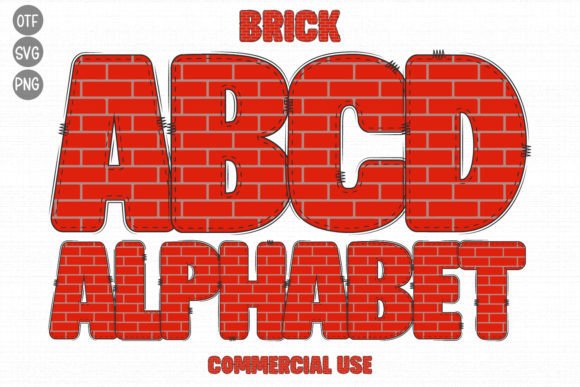
Unlike standard typefaces that rely on solid fills or simple gradients, textured fonts like Brick offer a distinct aesthetic advantage. The "skin" of the font isn't just a color; it is a visual story. When you use a typeface that mimics the look of fired clay or masonry, you are instantly communicating stability, tradition, and groundedness. For a designer, this solves a common problem: making headlines pop without relying solely on font size or weight. The texture adds a layer of complexity that draws the eye, making it an excellent choice for hero sections on websites or the cover of a digital magazine. It captures the essence of modern typography while respecting traditional, earthy elements.
For those working on nature-themed designs, this font is an obvious asset, but its utility extends far beyond just "outdoor" projects. It brings a sense of craftsmanship to any layout. Imagine a bakery logo or a coffee shop menu; the texture of the font can subconsciously suggest the "homemade" or "artisan" quality of the products being sold. It is a premium font choice that communicates quality before the reader even processes the words. Because it functions as a color font, it is designed to be used as-is for maximum impact, though it often retains versatility for standard printing situations depending on the specific file formats included.
Practical Applications for Branding and Packaging
When building a brand identity, consistency is king, but distinctiveness is the queen that keeps the court running. Standard sans serif fonts are safe, but they rarely stop a scrolling thumb on Instagram. If you are a small business owner looking to stand out in a crowded market, utilizing a creative font like Brick can define your visual language. It is particularly effective for logos that need to feel established and trustworthy. The visual weight of the texture implies that the brand is solid and here to stay.
Consider the world of packaging design. On a shelf, a product has about three seconds to grab a customer's attention. A script font might look elegant, but a textured display font has physical presence. For products like organic goods, craft beers, gardening supplies, or even children’s educational toys, the Brick texture aligns perfectly with the product's nature. It suggests that what is inside the box is substantial. Furthermore, for merchandise such as tote bags, t-shirts, or mugs, this typeface acts as a graphic element in its own right. You don't necessarily need a complex illustration when the text itself serves as the art. This simplifies the design process while maximizing visual impact, a crucial efficiency for entrepreneurs managing their own assets.
Engaging the Next Generation: Children’s Projects and Education
While the font carries a mature, earthy vibe, it possesses a playful quality that makes it surprisingly effective for children’s projects. Kids are drawn to textures and shapes that feel tangible. Educational materials, storybook covers, and classroom decorations often suffer from being too "digital" and sterile. Introducing a typeface that looks like building blocks or construction paper taps into a child's tactile learning style. It feels familiar and safe, like a playground or a fort made of pillows and chairs.
For content creators in the parenting niche or teachers creating resources for platforms like Teachers Pay Teachers, using this font can elevate a simple PDF worksheet into an engaging learning tool. It works beautifully for headers in activity books or titles on party invitations. The "blocky" nature of many masonry-inspired fonts also aids in readability for young learners who are still mastering letter recognition, provided the font is used at a legible size. It turns the alphabet into a physical object, making learning feel less like a chore and more like play.
Pairing and Professional Presentation
A common challenge with display fonts is finding the right partner for body text. A textured font is high-impact, meaning it can become visually fatiguing if overused or if paired with another loud typeface. The secret to professional presentation is contrast. Because Brick has a strong personality, it demands a quiet, clean companion. Think of a high-quality sans serif font with generous x-heights and simple geometry. A clean geometric sans serif or a simple serif font works best. This allows the textured headlines to command attention while ensuring the body copy remains highly readable.
When designing editorial layouts or blog graphics, hierarchy is your best friend. Use the textured font for the main title to set the mood, then switch to your clean secondary font for subtitles and body text. This balance ensures your design looks curated rather than chaotic. It is also worth considering the background. Textured fonts often look best against clean, solid backgrounds—like a crisp white, a deep charcoal, or a muted pastel. Placing a heavily textured font on top of a busy photograph is a recipe for illegibility. Give your typography room to breathe; let the texture of the letters be the focal point of the design.
Technical Considerations and Final Thoughts
As with any design asset, licensing and technical compatibility are vital. When investing in a premium font, especially one with complex color data, always verify the licensing terms. If you are creating assets for a client or selling merchandise, you need to ensure the license covers commercial use. Additionally, while color fonts are becoming more widely supported in modern software (like Adobe Photoshop, Illustrator, and QuarkXPress), it is always wise to test the font in your specific workflow before committing to a large project.
Ultimately, the value of a font lies in its ability to communicate a feeling instantly. Brick does exactly that. It tells a story of nature, stability, and creativity. Whether you are designing a poster for a local farmers market, crafting a social media graphic for a sustainable brand, or building an invitation for a rustic wedding, this typeface provides a ready-made personality. It saves you the time of hunting for texture overlays and gives your work a cohesive, professional edge that standard fonts simply cannot match. By integrating this asset into your library, you are equipping yourself with a versatile tool capable of transforming flat text into a tangible experience. It is a reminder that in design, the best solutions are often those that feel the most human.