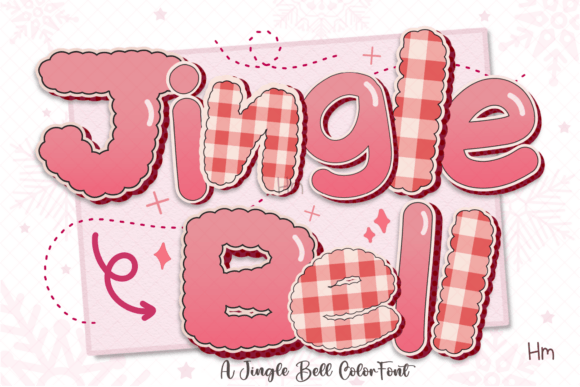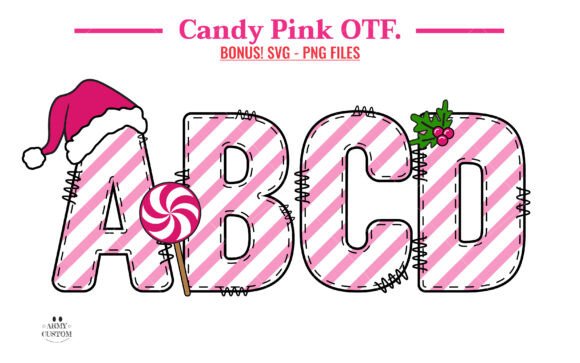
Candy Pink: Infusing Holiday Cheer Into Your Designs
There’s a specific shade of pink that immediately conjures images of sugar-coated almonds, vintage bubblegum, and the soft glow of neon signs against a winter twilight. It is playful, nostalgic, and unapologetically bold. When we talk about bringing that kind of energy into design work—specifically through typography—we aren't just talking about choosing a color; we are talking about adopting a personality. This is the essence of the Candy Cane Christmas Font, a design asset that doesn't just sit on the page but performs. It captures the "joie de vivre" of the festive season, transforming standard text into a celebration. For designers, entrepreneurs, and creatives, finding a font that balances whimsy with legibility can be a challenge, but this particular typeface manages to bridge that gap, offering a tool that is as functional as it is delightful.
The Psychology of Sweetness in Visual Communication
Color and shape dictate how an audience perceives a message before they even read a single word. In the realm of modern typography, the "Candy Pink" aesthetic is a powerful tool for evoking specific emotions. It is a visual shortcut to warmth, comfort, and excitement. When applied to a display font, particularly one with the dynamic flair of the Candy Cane Christmas Font, it creates an immediate sensory reaction. Think about the last time you walked past a bakery or a toy store; the typography used in those spaces is rarely rigid or severe. It is inviting.
For small business owners and content creators, leveraging this visual language can be a game-changer. If you are launching a holiday campaign, promoting a seasonal sale, or rebranding a product line meant to feel accessible and fun, this color palette signals to your audience that you are approachable. It moves away from the cold, corporate distance of standard sans-serif fonts and invites the viewer into a space that feels curated and intentional. However, it is crucial to understand that while the visual appeal is high, the application must be strategic. You wouldn't use a heavy, decorative display typeface for the body text of a legal contract, but you absolutely would use it to grab attention on a landing page or a social media header.
Practical Applications: From Packaging to Pixels
The versatility of a creative font like this lies in its ability to adapt to different mediums while retaining its core identity. For those involved in packaging design, the holiday season is the Super Bowl of sales. A product sitting on a crowded shelf needs to shout without screaming. The Candy Cane Christmas Font, especially when rendered in that signature vibrant hue, acts as a beacon. It suggests that the contents inside are festive and giftable. Imagine a box of artisanal cookies or a set of holiday-scented candles; the typography sets the stage for the unboxing experience.
Beyond physical products, the digital landscape offers endless opportunities. Social media graphics are ephemeral by nature—you have a split second to stop a user from scrolling. A bold, candy-colored script font creates that necessary pause. It works exceptionally well for Instagram Stories, Pinterest pins, and Facebook event banners. The aesthetic is inherently "thumb-stopping." Furthermore, for bloggers and digital product creators, this font can be used to create compelling lead magnets or e-book covers. It adds a layer of professional polish that generic system fonts simply cannot provide, signaling to your audience that you value quality and design consistency.
Navigating the Technical Terrain: Compatibility and File Formats
While the aesthetic appeal of the Candy Cane Christmas Font is undeniable, the practical side of design requires us to discuss the technical specifications. There is a distinct divide in how this font operates depending on your software and hardware, specifically regarding color fonts versus standard vector fonts.
If you are working with cutting machines like Cricut Design Space, Silhouette Cameo, or similar hardware for merchandise creation, you will be working with the black version of the font. This standard vector version is fully compatible and optimized for clean cuts, whether you are making vinyl decals, heat transfers for t-shirts, or paper crafts. It ensures that your machine reads the paths correctly without jagged edges or errors.
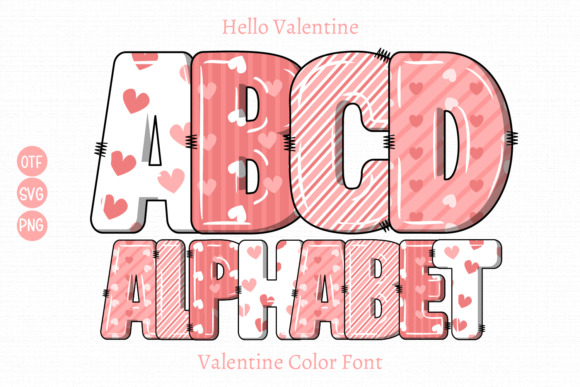
However, the "Candy Pink" color version is a different beast entirely. Color fonts (often utilizing SVG technology) contain vector shapes with color information embedded directly into the font file. This allows for the multi-colored, textured, and gradient effects that make the font look like actual candy canes or icing. Because of this complexity, the OTF and TTF files for the color version are not compatible with Cricut Design Space. Instead, they are designed for high-end design software that supports advanced typography features. You will have the best experience using programs like Adobe Photoshop, Adobe Illustrator, Silhouette Studio (Designer Edition or higher), or Inkscape. Understanding this distinction is vital for workflow efficiency; trying to force a color font into a basic cutting program often results in error messages or a loss of the color data, leaving you with a plain, untextured outline.
Strategic Branding and Font Pairing
One of the most common mistakes in branding is using a single font for everything. While the Candy Cane Christmas Font is a showstopper, it is a display font. Its job is to act as the headline, the hook, or the call to action. It is not designed for long paragraphs of text where readability at small sizes is paramount. This is where the art of font pairing comes into play.
To maintain a professional presentation and ensure your message is communicated clearly, you should pair this vibrant typeface with something more grounded. A clean sans-serif font (like Montserrat, Lato, or Open Sans) makes an excellent companion. The simplicity of the sans-serif allows the complexity of the candy-inspired display font to shine without competing for attention. Alternatively, for a more vintage or elegant vibe, a classic serif font can provide a beautiful contrast, bridging the gap between festive cheer and sophisticated editorial design.
When testing your pairings, pay close attention to hierarchy. Use the candy-inspired font for the main value proposition—the "50% Off" or the "Happy Holidays." Use your secondary font for the details, the dates, and the terms. This contrast not only improves visual consistency but also guides the reader's eye naturally from the most exciting element to the necessary information.
Licensing and Commercial Considerations
For entrepreneurs and designers, the legal aspect of design assets is just as important as the visual one. Before incorporating any premium font into a commercial project—be it a logo, a client project, or merchandise for sale—it is imperative to review the licensing terms.
Most fonts found in professional marketplaces come with specific usage rights. Some licenses are strictly for personal use (like making a birthday card for your niece), while others allow for commercial use (selling that card or using the font on a product you sell). The Candy Cane Christmas Font is a commercial font, but the extent of that license can vary. You need to verify if the license covers the number of users (seats) in your organization and if it covers print-on-demand services. If you are a freelance designer creating assets for a client, you generally cannot simply hand over the font file to them; they need their own license. Always check the "Read Me" file or the product description on the sales page to ensure you are fully compliant. This protects your business and supports the type designers who create these assets.
Injecting Personality into Your Projects
Ultimately, design is about communication. Whether you are a hobbyist scrapbooking your family memories or a marketing professional launching a global holiday campaign, the tools you choose tell a story. The Candy Cane Christmas Font is more than just a collection of glyphs; it is a vessel for nostalgia, joy, and the unmistakable energy of the holidays.
By integrating this typeface into your toolkit, you are equipping yourself to create designs that resonate emotionally. It allows you to move beyond the mundane and inject a sense of playfulness into your work. Remember to balance its exuberance with solid design principles—contrast, hierarchy, and whitespace—to ensure your final product is not only beautiful but also effective. Whether it is rendered in a bold, sugary pink or a classic holiday red and white, this font is poised to become a staple in your seasonal design arsenal, helping you capture the magic of the season in every pixel and curve.