Chess: A Typeface for Bold, Strategic Design
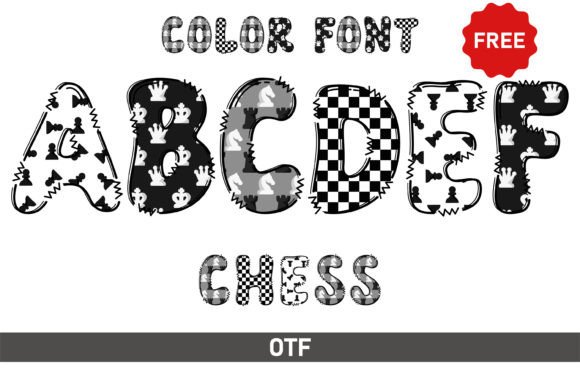
Finding a typeface that truly captures a specific mood can feel like searching for a needle in a haystack. You need something with personality, something that tells a story before a single word is read. This is where display fonts shine, offering a distinct voice for any project. Among the sea of options, the Chess typeface emerges as a standout choice, particularly for designs that aim to convey a playful, artistic, or strategically bold feel. Its visual character makes it an excellent candidate for projects ranging from children's books and posters to invitations and greeting cards, where capturing attention and setting a tone is paramount.
Understanding the Visual Appeal of the Chess Typeface
At its core, the Chess font is a display typeface, meaning its primary strength lies in headlines, titles, and short bursts of impactful text rather than long-form body copy. Its design often incorporates elements that evoke a sense of strategy, classic elegance, or whimsical creativity, depending on the specific style. The letterforms might feature balanced proportions, subtle curves, or distinctive serifs that give it a unique presence. This visual appeal isn't just about looking good; it's about communicating a specific feeling. A well-chosen font like this can instantly signal that a brand is creative, trustworthy, or fun, making it a powerful tool in your design arsenal.
What makes it particularly versatile is its ability to adapt. In a logo design, a strong typeface becomes the cornerstone of a brand's visual identity. For a boutique game shop or a creative agency, using a font with strategic connotations can build immediate recognition. Similarly, in packaging design, the right typography can make a product leap off the shelf. Imagine a gourmet tea brand or a artisanal chocolate maker using this font—it adds a layer of sophistication and intention that generic fonts simply can't match. This is the real-world value of investing in a premium font: it provides a tangible edge in visual communication.
Practical Applications Across Creative Projects
The true test of any design asset is its utility. How many different ways can you use it to solve real problems? The Chess typeface proves its worth across a surprisingly broad spectrum of applications. For social media graphics, where scroll-stopping power is everything, a distinctive font can make your posts instantly recognizable in a crowded feed. It helps build a cohesive visual language for your Instagram grid or Facebook ads, reinforcing brand recognition with every piece of content.
Beyond the digital realm, its applications in print are equally compelling. Consider editorial design for a magazine feature or a book cover. The right typeface sets the mood for the entire story. For invitations to a wedding, gala, or special event, a font with character can convey the formality, theme, or personality of the occasion, from elegant and classic to modern and playful. Poster design for events, concerts, or sales relies heavily on typography to attract attention from a distance, and a bold, clear display font is essential for that job.
- Branding & Identity: Logos, business cards, letterheads.
- Packaging: Product labels, boxes, shopping bags.
- Marketing Materials: Brochures, flyers, email headers.
- Digital Presence: Website headers, blog post titles, app interfaces.
- Merchandise: T-shirts, mugs, tote bags.
- Personal Projects: Greeting cards, scrapbooking, DIY decor.
For small business owners and entrepreneurs, this kind of versatility is gold. Instead of purchasing multiple specialized fonts, a single, well-designed typeface can serve numerous needs, ensuring visual consistency across all touchpoints. This consistency is crucial for building a professional and trustworthy brand image. A content creator or blogger can use it to create a signature look for their featured images and chapter headings, making their work more memorable and engaging for their audience.
Making Smart Typographic Choices for Your Project
Simply having a great font isn't enough; knowing how to use it effectively is what separates good design from great design. The first step is to always consider your project's goals. Is the primary aim to be playful and inviting? Or is it to convey authority and tradition? The Chess typeface, with its strategic undertones, might be perfect for a consulting firm's website header but could be adapted with different styling for a children's educational app. Always align the font's personality with the message you need to send.
Next, think about font pairing. A display font like this is rarely used alone. It needs a companion for body text. The golden rule is contrast. Pair a bold, decorative headline font with a simple, highly readable sans serif or a classic serif for paragraphs. For example, you might use Chess for all your main headlines and pair it with a clean font like Open Sans or Lora for the supporting text. This creates a clear visual hierarchy, guiding the reader's eye and making your content easier to digest. Always test your pairings by viewing them at different sizes and on various devices to ensure legibility.
Finally, never overlook the technical details. Before finalizing your choice, review the included font styles. Does the family offer bold, italic, or multiple weights? These variations give you flexibility to add emphasis without breaking the typographic harmony. Most critically, understand the licensing. A commercial font comes with a license that dictates how you can use it—whether for a single client, unlimited projects, or specific media like web or print. Ensure the license covers all your intended uses to avoid legal issues down the line. This due diligence is part of a professional workflow and protects your investment in quality design assets.
Ultimately, typography is a silent ambassador for your brand. Choosing a typeface like Chess is about more than just aesthetics; it's a strategic decision that impacts how your audience perceives and interacts with your work. By understanding its strengths, applying it thoughtfully across various mediums, and pairing it wisely, you can harness its power to create more engaging, consistent, and professional designs that truly resonate.