Cow Milk: A Unique Decorative Font for Nature-Inspired Design
There's a particular kind of warmth that comes from designs rooted in nature—a visual comfort that feels both familiar and refreshing. If you've ever struggled to find a typeface that captures that organic, tactile quality without sacrificing clarity or versatility, Cow Milk might be the creative asset you didn't know you were looking for. This decorative display font brings a distinctive cow milk skin texture directly into your letterforms, offering something genuinely different from the hundreds of clean sans serifs and elegant serifs that dominate most font libraries.
What Makes This Typeface Visually Distinctive
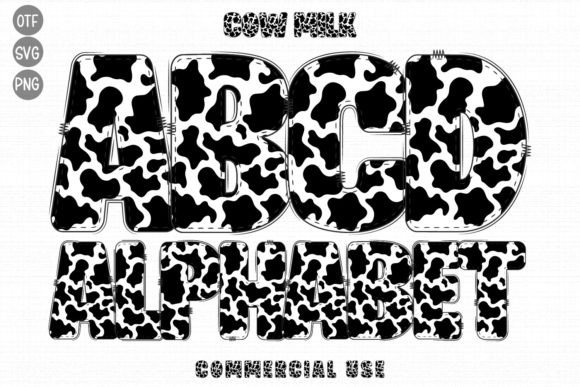
At its core, Cow Milk is a display font designed to make an impression. The character shapes carry the subtle mottled, organic texture of a cow's hide—patches of contrast that give each letter a handcrafted, almost illustrative quality. It's not a script font or a handwritten font in the traditional sense. Instead, it occupies a unique space between decorative typography and illustrative design, making it ideal for projects where you want the text itself to function as a visual element rather than just a vessel for words.
The texture isn't overwhelming. It's refined enough to remain legible at larger sizes while still delivering that unmistakable organic character. Think of it as a premium font that bridges the gap between playful and sophisticated—something that works equally well on a children's book cover and a boutique brand's packaging label.
Where Cow Milk Shines: Real-World Applications
The practical applications for a font like this are surprisingly broad. If you design packaging for organic food products, artisan goods, or farm-to-table brands, this typeface immediately communicates authenticity and natural origins. A logo set in Cow Milk for a dairy brand, a local farm stand, or a children's educational product about animals would feel instantly cohesive with the brand's identity.
For social media graphics, particularly in niches like parenting blogs, nature content, outdoor lifestyle brands, or children's activity accounts, this font adds personality that generic typefaces simply can't replicate. Instagram posts, Pinterest pins, and Facebook headers all benefit from typography that stops the scroll—and a textured, animal-print-inspired font does exactly that.
Beyond digital, consider the print possibilities. Birthday invitations for a farm-themed party, posters for a local agricultural fair, merchandise like tote bags and t-shirts, greeting cards, and editorial layouts for nature magazines all become more memorable with a typeface that carries visual texture in every stroke. If you sell digital products—printable wall art, educational worksheets, or planner inserts—incorporating Cow Milk into your designs can set your offerings apart in a crowded marketplace.
Compatibility and Practical Considerations
One important detail to understand before purchasing: Cow Milk comes in two versions with different compatibility profiles. The black version works seamlessly with Cricut Design Space and other cutting machines, making it a strong choice for crafters who create vinyl decals, iron-on transfers, paper crafts, and other physical projects using cutting equipment.
The color version, however, is a different story. Because it preserves the full texture and color variation of the cow hide pattern, it's only compatible with certain design programs—specifically Photoshop, Illustrator, Silhouette Studio, and Inkscape. The OTF and TTF files for the color version will not work in Cricut Design Space. If you're primarily a Cricut user, plan to work with the black version for your machine projects and reserve the color version for digital designs created in compatible software. Checking the Ultimate Font Guide before starting a project can save you troubleshooting time later.
Pairing Cow Milk with Other Typefaces
Every decorative font benefits from a thoughtful pairing with a more neutral companion. Because Cow Milk carries so much visual texture and personality on its own, it works best as an accent or headline font rather than for body text. Pair it with a clean sans serif font for paragraphs, product descriptions, or supporting information. A simple geometric sans serif or a humanist typeface will ground your layout and ensure readability while letting the decorative font do what it does best—command attention in headlines, titles, logos, and callouts.
If your project leans more editorial, you might pair it with a classic serif font for a contrast that feels both rustic and refined. The key is balance. When your display font has this much character, the supporting typography should complement without competing.
Strengthening Brand Identity with Intentional Typography
Typography is one of the most underrated tools in brand building. The fonts you choose communicate values before a single word is read. A typeface like Cow Milk signals that a brand values authenticity, nature, craftsmanship, and a touch of whimsy. For small business owners developing a brand identity—especially in food, agriculture, children's products, outdoor recreation, or eco-friendly goods—this font can become a recognizable visual signature.
Consistency matters here. Using Cow Milk across your logo, packaging, website headers, social media templates, and printed materials creates a cohesive visual language that customers begin to associate with your brand. Over time, that recognition builds trust and recall—two things every business needs.
Final Thoughts on Adding This Font to Your Library
Not every project calls for a textured, decorative typeface, but when one does, having a reliable option on hand makes all the difference. Cow Milk fills a specific niche that few other fonts address with the same level of detail and charm. Whether you're a designer building out a client's nature-themed brand, a crafter cutting vinyl decals for a farmer's market booth, or a content creator looking for typography that feels genuinely different, this font earns its place in a well-curated library of design assets.
Take the time to test it in context. Drop it into a mockup. See how it interacts with your color palette, your imagery, and your other typography choices. The best font decisions happen not in a vacuum but in the real conditions of your actual projects—and Cow Milk is the kind of typeface that rewards that hands-on exploration.