We Brush: The Bold Display Font That Demands Attention
There's a moment in every design project where you realize the typography needs to do more than just sit there. It needs to perform. It needs to carry weight, emotion, and personality without saying a word. That's exactly where We Brush enters the conversation—a color font that doesn't just complement your work but transforms it into something people stop scrolling to look at.
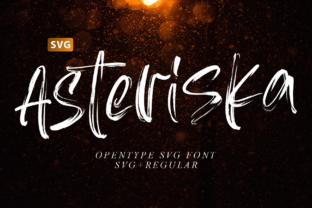
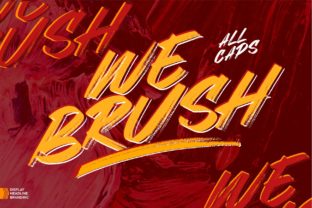
We Brush is an incredibly bold and unique display font with an organic and urban vibe. It carries the energy of hand-painted signage and street art while maintaining the kind of deliberate structure that makes it usable in professional contexts. The brush strokes feel alive—textured, layered, and full of movement. Each letter looks like it was created with intention, not generated by an algorithm. That authenticity is what separates a forgettable font from one that actually connects with an audience.
What Makes a Color Font Different
If you've never worked with a color font before, We Brush is a strong place to start. This product is a color font built on OpenType-SVG technology, which means the letters carry gradients, textures, and multi-tone color information directly inside the font file. When you type, you're not just getting flat vector shapes—you're getting richly detailed letterforms that look handcrafted.
This matters because it eliminates a step in your workflow. Instead of manually adding texture, shadows, or color overlays to your text, the font handles that complexity on its own. You select it, type your words, and the visual impact is already there. For designers working under tight deadlines or small business owners managing their own branding, that kind of built-in sophistication saves real time and produces genuinely striking results.
It's worth noting that We Brush is compatible with PhotoShop, Illustrator, Silhouette, and Inkscape. The OTF and/or TTF files of this product are not compatible with Cricut, so if you're a crafter who relies on that platform, you'll want to explore other options or check the Ultimate Font Guide for workarounds and compatibility details.
Where This Font Actually Works
Display fonts live or die by context. A bold brush font plastered across a corporate financial report would feel absurd. But place that same font on a craft brewery label, a fitness brand's Instagram story, or a music festival poster, and suddenly it's doing exactly what it should—grabbing attention and setting a mood instantly.
Here are some real-world applications where We Brush shines:
- Logo design for brands that want to project energy, creativity, and authenticity—think streetwear labels, artisan food brands, independent coffee roasters, or boutique fitness studios.
- Packaging design where shelf presence matters. A bold display typeface on a product label can be the difference between someone picking up your product or passing it by.
- Social media graphics that need to cut through noise. Instagram posts, Stories, YouTube thumbnails, and TikTok overlays all benefit from typography that pops at small sizes and fast scroll speeds.
- Posters and event materials like concert flyers, workshop announcements, and pop-up shop promotions where the type itself becomes a design element.
- Merchandise including t-shirts, tote bags, stickers, and hats. Bold brush lettering translates naturally to physical products people want to wear and carry.
- Invitations and editorial layouts where you want a handcrafted, premium feel without commissioning custom lettering.
- Websites and blogs using it sparingly for headlines, hero sections, or call-to-action buttons to inject personality into an otherwise clean layout.
- Digital products and marketing assets like lead magnets, ebook covers, email headers, and ad creatives where first impressions drive conversions.
Pairing We Brush with Other Typefaces
A display font this bold needs a supporting cast. Pairing typography is less about rigid rules and more about creating contrast that serves readability and hierarchy. We Brush does the heavy lifting for headlines, logos, and short bursts of impactful text. For body copy, longer descriptions, or any text that needs to be read at length, you'll want to pair it with a clean sans serif font or a simple serif font.
Think of it this way: We Brush is the voice that makes people look up. Your secondary font is the voice that keeps them reading. A modern sans serif like Montserrat, Open Sans, or Lato works well because it doesn't compete for attention. It sits quietly in the background while We Brush commands the foreground.
Test your pairings before committing. Type out a real headline and a real paragraph of body text together. Zoom out. View it on your phone. Print it if you're working on physical materials. The pairing should feel balanced—neither font should feel like it's fighting the other or disappearing entirely.
Readability Still Matters
Bold display fonts invite a common mistake: using them everywhere. We Brush is designed for impact at headline sizes. It's not meant for paragraphs of body text, fine print, or legal disclaimers. The textured brush strokes that make it visually exciting at large sizes become muddy and hard to decode when shrunk down.
Use it where it earns its keep—titles, short phrases, single words, logos, and pull quotes. For everything else, let a more neutral typeface handle the workload. This approach actually strengthens the effect of We Brush because it creates contrast between the expressive and the functional. Your audience's eyes will naturally gravitate toward the bold elements precisely because they aren't competing with equally loud text surrounding them.
Building Brand Recognition with Distinctive Typography
Visual consistency is one of the most underrated tools in branding. When someone sees your content repeatedly using the same typeface, colors, and visual language, recognition builds over time. They start to associate that specific look with your business before they even read the words.
Choosing a premium font like We Brush for your brand identity gives you a distinctive visual anchor. It's specific enough to be memorable but versatile enough to work across multiple touchpoints—from your website header to your product packaging to your social media presence. That kind of cohesion signals professionalism and builds trust with your audience, whether you're a solo entrepreneur or a growing creative agency.
The key is consistency. Once you've chosen We Brush as part of your brand's typographic system, use it deliberately and repeatedly. Don't switch fonts every month or use it randomly. Make it part of your visual signature.
Licensing and Practical Considerations
Before incorporating any creative font into a commercial project, verify the licensing terms. Understand whether the license covers the specific ways you plan to use it—client work, merchandise, digital products, or print-on-demand platforms. Most premium fonts include commercial licensing, but the details vary between foundries and marketplaces.
Also, take time to explore all the included font styles and alternates. Many display fonts ship with multiple weights, stylistic alternates, or additional character sets that expand your creative options significantly. Spending ten minutes reviewing the font files and any included documentation can unlock possibilities you might otherwise miss.
We Brush brings a raw, urban energy that most polished digital fonts simply can't replicate. It bridges the gap between handcrafted authenticity and professional usability. Whether you're building a brand from scratch, refreshing a visual identity, or designing a one-off campaign that needs to make an impression, this typeface gives you a tool that does more than fill space—it creates atmosphere. Pair it thoughtfully, use it strategically, and let the brush strokes do what they do best.