Injecting Groovy Heritage into Modern Branding
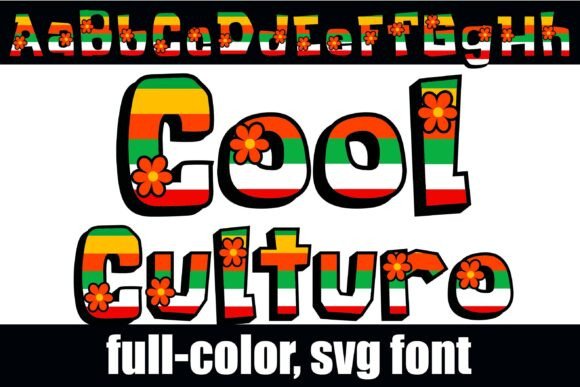
If you have ever scrolled through a digital feed or walked past a boutique storefront and felt an immediate, undeniable pull towards a design that felt both familiar and electrically fresh, you likely encountered the power of a well-crafted display typeface. In the crowded landscape of visual communication, where everyone is vying for a split second of attention, finding a design asset that bridges the gap between nostalgic warmth and contemporary edge is like striking gold. This is exactly the space occupied by Cool Culturo, a font that doesn't just spell out words but performs them. It captures a specific "retro-and-rooted" soul, offering a groovy rhythm that resonates with the current cultural appetite for 70s heritage aesthetics blended with the sharp demands of modern branding.
The Anatomy of a "Retro-and-Rooted" Typeface
Understanding why this typeface works requires looking at its visual DNA. It isn't merely a blocky font; it is a full-color SVG display face that brings a heavy structural weight to the table without feeling oppressive. The defining characteristic is its "tricolor-stripe" pattern. Unlike standard solid fills, these integrated stripes create a sense of movement and texture instantly. They suggest vibration, music, and energy, making the typography itself a visual representation of a beat. Paired with these stripes are subtle, integrated floral accents. This botanical element softens the bold, blocky letterforms, preventing the design from feeling too industrial or rigid.
The result is a typeface that successfully navigates two distinct eras. It nods to the organic, psychedelic aesthetics of the past while maintaining the sharpness required for high-impact digital rendering. For designers and creatives, this means you aren't just choosing a font; you are choosing a mood board compressed into a single design asset. It speaks the language of independent culture, streetwear authenticity, and artistic expression.
Visual Consistency Across Diverse Platforms
One of the biggest challenges in modern marketing is maintaining a cohesive brand identity across fragmented channels. You have a logo on a website, a header on a mobile app, a banner on a social feed, and perhaps physical merchandise. A standard serif font or a clean sans serif font often struggles to carry enough personality to be memorable on its own, requiring extensive supporting graphics. However, a bold display font like this one acts as its own design element.
When you utilize this typeface for your primary headers or logo marks, you immediately establish a specific "vibe." Because the letterforms are so distinct, they can unify disparate elements of a campaign. For instance, the visual language used in a music festival poster can easily translate to a wristband or a digital ticket because the font carries the branding weight. This creates a seamless visual experience for your audience. They recognize the aesthetic before they even read the word, which is the hallmark of strong brand recognition.
Practical Applications for Entrepreneurs and Creatives
If you are wondering where a font with such a strong personality fits into your workflow, the applications are surprisingly versatile, provided you are targeting a demographic that values authenticity and style. Here are some specific scenarios where this typeface excels:
- Independent Streetwear and Fashion: The bold, blocky nature is perfect for clothing tags, hang tags, and the front chest of t-shirts. It screams "boutique" rather than "mass-produced."
- Music and Event Branding: Whether you are designing a flyer for a local gig or branding a global market logo, the rhythmic nature of the stripes mimics sound waves and festival energy.
- Packaging Design: For artisanal products—think coffee roasters, craft breweries, or organic cosmetics—the floral accents and retro vibe suggest a handcrafted, quality-first approach.
- Social Media Headers: In the fast-scroll environment of Instagram or TikTok, standard text often gets ignored. A vibrant, full-color SVG header demands a pause.
However, it is important to treat this as a display typeface. It is designed for high impact, not for body copy. Using it for long paragraphs would reduce readability and dilute its punch. Instead, pair it with a clean, neutral sans serif font for your descriptions and details. This contrast allows the display font to shine as the headline act while the supporting text does the heavy lifting of information delivery.
Bridging the Gap: 70s Heritage Meets Digital Modernity
We are currently seeing a massive resurgence in design trends that borrow from the 1970s. However, simply slapping a vintage filter on a project often results in something that looks dated rather than retro. The genius of this specific design asset lies in its execution. By utilizing SVG technology, the colors remain crisp, and the "tricolor-stripe" patterns render perfectly on high-resolution screens. It takes the concept of 70s typography but executes it with modern precision.
This makes it an ideal tool for "vintage-and-vibrant" marketing assets. Consider a digital product launch. You want the nostalgia of an old record store but the clarity of a tech startup. This font bridges that gap. It allows you to create marketing materials that feel warm and approachable—rooted in culture—yet cool and professional enough for a global market.
Pairing and Professional Presentation
Choosing the right font style is only half the battle; knowing how to pair it is where the design magic happens. Because this typeface is heavy and detailed, it requires breathing room.
- Contrast is Key: If you use this for your main headline, avoid using another decorative font for your sub-headers. Stick to a geometric sans serif (like Futura or Montserrat) to ground the design.
- Color Coordination: Since the font features integrated colors, ensure your background and surrounding design elements don't clash. Neutral backgrounds (whites, creams, or deep charcoals) usually allow the tricolor patterns to pop without visual chaos.
- Readability Testing: Always test your font pairings on mobile devices. A header that looks great on a desktop monitor might lose its detail on a small phone screen. However, the bold weight of this typeface generally ensures it remains legible even at smaller sizes.
For content creators and bloggers, using this font for featured images or blog post headers can significantly increase click-through rates. It signals to the reader that the content inside is creative, opinionated, and worth their time. It moves your brand away from the "generic template" look and towards a curated, editorial aesthetic.
Licensing and Long-Term Value
When investing in a premium font, especially one with complex features like full-color SVG capabilities, it is vital to understand the commercial licensing. Most high-quality design assets come with specific terms regarding usage on physical merchandise versus digital ads. Before integrating this typeface into a client’s global rebrand or your own merchandise line, verify that the license covers commercial use.
A high-quality commercial font is an investment in your brand's visual infrastructure. Unlike free fonts, which often lack the refined kerning (spacing between letters) and stylistic alternates needed for professional work, a premium typeface is built to perform. It ensures that your typography looks intentional and polished, which subconsciously tells your audience that you care about quality in all aspects of your business.
Ultimately, Cool Culturo