Playing Ground: A Font That Brings Whimsy and Warmth to Your Designs
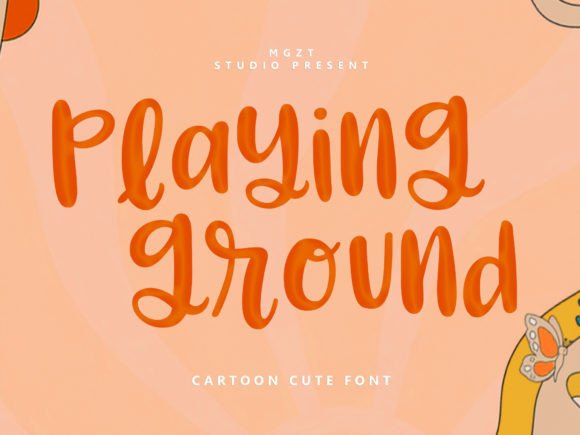
Imagine a font that doesn’t just sit on the page but seems to smile back at you. That’s the feeling you get when you first encounter Playing Ground. It’s not another cold, corporate typeface or a stiff, formal serif. Instead, it’s a collection of small, charming characters that feel like they were sketched with a friendly wink. For designers, entrepreneurs, and creators who need to inject a dose of genuine warmth and approachability into their work, this playful font offers a surprisingly versatile solution. It captures a whimsical cartoon style that’s instantly engaging, making it a secret weapon for projects that need to connect on a human, joyful level.
A Typeface with Personality: Understanding the Playing Ground Aesthetic
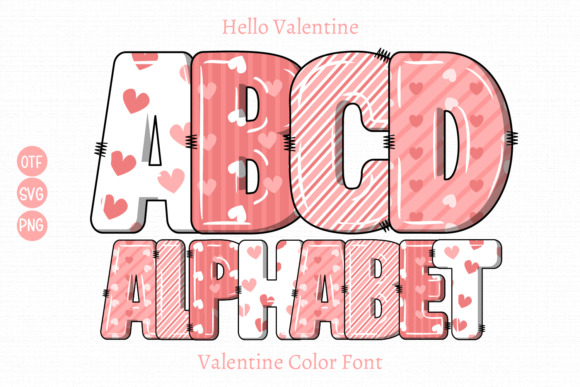
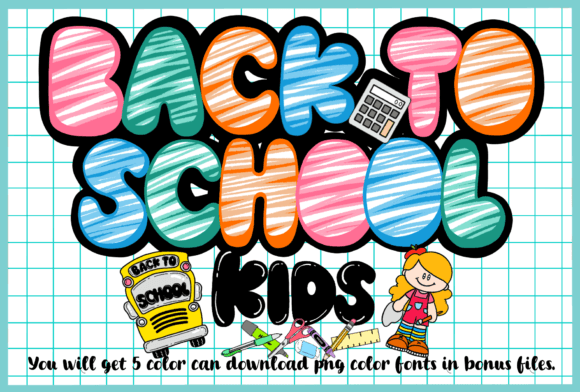
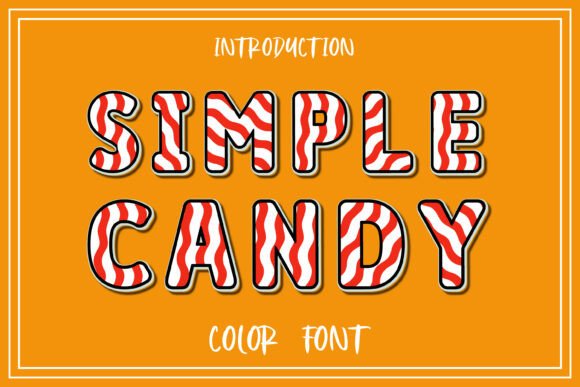
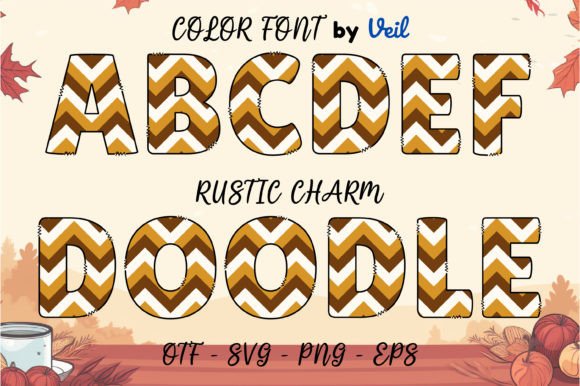
At its core, Playing Ground is a display font designed for impact and emotion, not lengthy body text. Its visual appeal lies in its deliberate simplicity and sweetness. Each letterform is crafted to be compact and endearing, with soft curves and a slightly irregular, handcrafted feel that avoids looking overly digital or perfect. This isn’t a sans serif font built for technical manuals; it’s a creative font built to evoke a smile. Think of the friendly, rounded letters you might see on a beloved children’s toy or a cozy neighborhood bakery’s chalkboard menu. The design prioritizes readability within its playful context, ensuring that while the vibe is fun, the message remains clear. It’s this balance—between whimsical charm and functional clarity—that makes it such a valuable design asset.
Where to Use This Charming Font: From Branding to Birthday Cards
The true test of a font’s utility is in its application. Playing Ground shines brightest in projects where personality is paramount. Its small stature and friendly demeanor make it exceptionally versatile across mediums.
- Branding & Logo Design: For a children’s boutique, a pet grooming service, a craft brewery with a fun ethos, or a family-friendly café, this font can become the cornerstone of a brand identity. It communicates approachability and fun before a customer even reads the tagline. Paired with a more neutral serif font or a clean sans serif font for body copy, it creates a balanced and memorable visual system.
- Packaging & Merchandise: Product labels for artisanal jams, playful snack foods, or children’s products can leverage its cuteness to stand out on shelves. It’s equally effective on merchandise like tote bags, stickers, and t-shirts, where a lighthearted message needs to resonate.
- Digital & Print Collateral: The font is a natural fit for social media graphics that need to pop in a crowded feed, especially for announcements, quotes, or promotional posts. For websites and blogs, use it for headlines, pull quotes, or section titles to break up text and add visual interest. In print, think posters for community events, invitations for birthdays or baby showers, and editorial layouts for magazines or blogs focused on parenting, crafting, or lifestyle. Even marketing assets like email headers or PDF guides can benefit from its welcoming touch.
Making It Work: Practical Tips for Pairing and Professional Use
Using a distinctive font like Playing Ground effectively requires a bit of strategy. The goal is to let its personality enhance your project without overwhelming it. Here’s how to integrate it seamlessly into your modern typography toolkit.
Choose the Right Context: First, match the font to your project’s core goal. Is it to be inviting, nostalgic, or energetic? Playing Ground excels at the first two. It’s perfect for a local library’s summer reading program poster but might not be the right fit for a law firm’s annual report. Always consider your audience’s expectations.
Master the Font Pairing: This is crucial. Because Playing Ground is a strong display font, it pairs best with neutral, highly readable companions. For body text on a website or in a brochure, try a clean sans serif font like Open Sans or Lato. For a more traditional or elegant contrast, a simple serif font like Merriweather or Georgia works well. Let Playing Ground handle the headlines, subheadings, and call-to-action buttons where its charm can shine without causing fatigue.
Prioritize Readability: Its compact design is generally legible, but test it at the actual size it will be used. For very small text on mobile screens or detailed packaging, ensure the letters remain distinct. Sometimes, increasing the letter spacing (tracking) slightly can improve clarity without sacrificing style.
Review Font Styles & Licensing: Check what comes with your premium font purchase. Does it include multiple weights (like regular and bold) or stylistic alternates? Understanding the full character set gives you more creative flexibility. Equally important is confirming the commercial font license covers your intended use—whether for client work, merchandise, or digital products—to avoid legal hiccups down the line.
Beyond the Font File: Building a Cohesive Visual Story
Ultimately, Playing Ground is more than just a collection of glyphs; it’s a tool for visual storytelling. Its strength lies in helping you build visual consistency and brand recognition through a distinctive typographic voice. When used thoughtfully, it can significantly boost audience engagement because it makes your communications feel more personal and less generic. It helps a small business feel like a neighbor, a digital product feel friendly, and a creative project feel imbued with care.
The next time you’re faced with a design brief that calls for a “fun and friendly vibe” or a “touch of whimsy,” look beyond the usual suspects in your font library. Consider how a typeface like Playing Ground, with its unique blend of cuteness and clarity, could be the key to creating work that doesn’t just communicate, but truly connects and brings a few smiles along the way.