Simple Candy: The Font That Brings Playful Energy to Your Brand
You know that feeling when you walk into a candy store—the explosion of color, the sense of fun, the immediate shift in mood? That’s the exact sensation a well-chosen typeface can inject into your design work. Typography is often the silent workhorse of a project, but when you choose a font with a distinct personality, it becomes the star of the show. Simple Candy is one of those rare finds in the world of design assets that doesn’t just sit quietly on the page; it demands attention. It’s a vibrant, color-based display font that embodies joy and whimsy, making it an absolute game-changer for anyone looking to inject some life into their branding, packaging, or digital content.
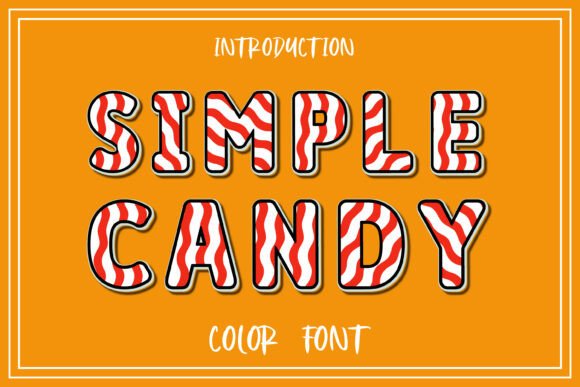
Unlike standard single-color fonts, Simple Candy is designed to be used as a layerable color font, meaning you can apply multiple hues to a single letterform without complex vector manipulation. This unique characteristic makes it a premium font choice for creatives who want that hand-painted, multi-dimensional look instantly. Whether you are a small business owner trying to make your product pop on the shelf, or a content creator looking to stop the scroll on social media, understanding how to leverage this typeface can transform your visual communication strategy.
Injecting Whimsy into Brand Identity and Packaging
For entrepreneurs and brand strategists, the goal is always recognition. You want customers to see your logo or your product packaging and immediately understand the vibe of your brand. Simple Candy excels here because it signals approachability and fun. If you are launching a bakery, a children’s clothing line, a lifestyle blog, or a creative agency, this font offers a modern typography solution that feels fresh and energetic.
Imagine a logotype where the letters look like they are made of glazed icing or colorful plasticine. That is the power of this typeface. It is particularly effective for packaging design. In a crowded market, a sans serif font might look clean, but it often blends in. Simple Candy, however, acts as a visual magnet. It works beautifully on labels for artisan goods, cosmetics aimed at a younger demographic, or event posters. The visual weight and texture of the font mean you can often let the typography do the heavy lifting, reducing the need for excessive illustration or cluttered background graphics.
However, when working with a display font of this nature, the key is balance. Because Simple Candy is so visually dense, it works best as a headline or a logo mark. If you try to use it for long paragraphs of body text, you risk overwhelming the viewer and hurting readability. This is where the art of font pairing comes into play. To maintain a professional presentation, pair Simple Candy with a clean, neutral sans serif font or a classic serif font for your body copy. This contrast allows the whimsical font to shine without compromising the legibility of your message.
Digital Presence: Social Media and Web Design
In the realm of digital marketing and web design, attention spans are short. You have milliseconds to grab a user’s attention before they scroll past. This is where a creative font like Simple Candy proves its worth. For social media graphics—think Instagram stories, TikTok overlays, or Pinterest pins—this font adds an instant "pop" that standard system fonts simply cannot replicate.
Content creators often struggle to maintain a consistent aesthetic while keeping their feed looking fresh. Simple Candy offers a solution by providing a consistent yet vibrant visual anchor. You might use it for sale announcements, holiday greetings, or feature highlights. Because it is a color font, it removes the guesswork of how to shade or outline text to make it look 3D; the hard work is already done in the font's design.
When it comes to web design, moderation is key. You likely wouldn't use this font for your entire navigation menu, but using it for hero section headlines or specific call-to-action buttons can significantly boost audience engagement. It creates a focal point that draws the eye exactly where you want it. For digital products, such as downloadable planners, e-books, or online course materials, using Simple Candy for chapter titles or section headers can elevate the perceived value of the product, making it feel more like a premium asset rather than just a generic PDF.
Practical Applications for Print and Editorial Design
While digital is king, print is far from dead. In fact, the tactile nature of print makes the choice of typography even more critical. Simple Candy is a standout choice for wedding invitations, birthday cards, and event stationery. The font’s inherent charm adds a sprinkle of personality that sets the tone for the event before the guest even reads the details. It suggests a celebration is in order.
For editorial design, specifically magazines or zines targeting lifestyle, food, or entertainment, this typeface can be used to break up the monotony of text-heavy pages. A drop cap in Simple Candy or a pull quote using this font can add a playful rhythm to the layout. It helps in creating a hierarchy that guides the reader’s eye through the content in a visually pleasing way.
Merchandise is another area where this font shines. Think about T-shirts, tote bags, or mugs. Typography-based merchandise relies heavily on the "cool factor" of the font. Simple Candy has a distinct, modern vibe that translates well to apparel and accessories. It allows you to create text-based designs that look artistic and intentional, rather than just being a standard block of text slapped onto a product.
Tips for Integrating Simple Candy into Your Workflow
Adopting a new font into your design toolkit requires a bit of strategy. To get the most out of Simple Candy, consider these practical tips for your next project:
- Review the Font Styles: High-quality premium fonts often come with different weights or styles. Check to see if Simple Candy includes variations that allow you to create emphasis or hierarchy within your text. Even with display fonts, having a "light" or "bold" version can be helpful.
- Test for Readability at Scale: Always mock up your designs at the actual size they will be viewed. A font that looks great on a 27-inch monitor might look muddy on a mobile screen if the colors are too complex. Conversely, on print, ensure the resolution is high enough to capture the subtle color gradients of the font.
- Color Coordination: Since this is a color font, the hues embedded in the typeface are part of its DNA. However, you need to ensure these colors don't clash violently with your brand palette. If your brand colors are muted earth tones, a neon candy font might create too much dissonance unless used as a very specific accent.
- Licensing Check: Before you launch a global campaign or print thousands of units, double-check the commercial licensing of the font. Ensure your usage rights cover the specific applications you have in mind, whether it's for logo design, merchandise, or digital ads.
Ultimately, Simple Candy is more than just a collection of letters; it’s a mood enhancer. It’s a tool for designers, marketers, and hobbyists who aren’t afraid to show a little personality. By pairing it wisely and applying it to the right projects, you can leverage this typeface to create designs that are not only visually gripping but also deeply memorable. It’s time to stop settling for boring text and start embracing the transformative power of color and whimsy in your creative work.