Why Jigsaw is the Playful Typeface Your Brand Needs
Every designer knows the struggle. You have a project that demands energy—a children's book cover, a catchy t-shirt slogan, or a vibrant social media graphic—but the standard fonts in your library feel flat. You need something that pops, something with a tangible, three-dimensional quality. Enter Jigsaw, a 3D color font that breaks the mold of traditional typography. It isn't just a typeface; it is a visual statement designed to grab attention and inject a sense of playful depth into any layout. For creators ranging from small business owners to digital artists, finding a typeface that bridges the gap between professional polish and whimsical charm is rare, yet Jigsaw manages to fill that specific niche perfectly.
Understanding the 3D Color Font Revolution
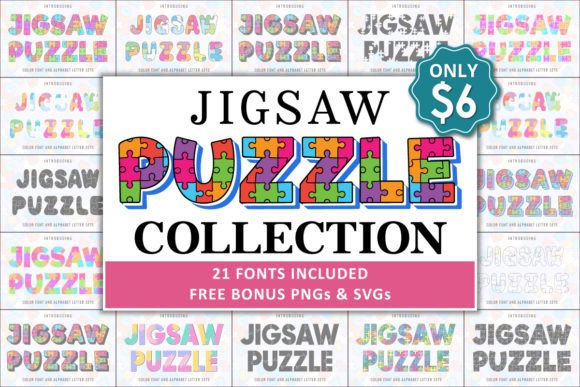
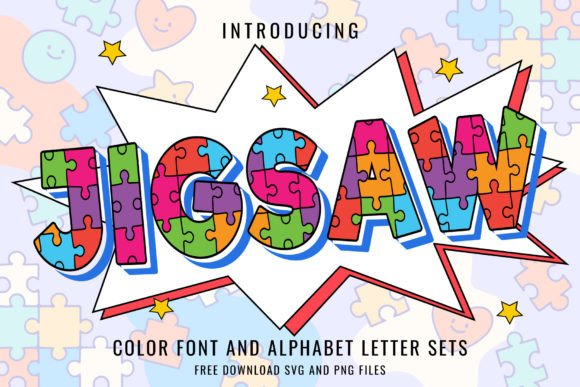
Before diving into applications, it is worth understanding what sets Jigsaw apart from a standard serif font or a sans serif font. Traditional typography relies on flat vectors—black shapes on a white background. Jigsaw, however, functions as a premium font with built-in dimensional styling. It mimics the look of physical puzzle pieces, complete with shading and depth that usually require complex layering in design software like Adobe Illustrator or Photoshop. This "out of the box" style is part of the modern typography movement where fonts are becoming design assets in themselves. Because it is a color font, the file contains not just the shape of the letter, but the color data and texture, allowing you to create cool designs that scream for attention without hours of manual post-processing.
Practical Applications: From Screen to Print
The versatility of Jigsaw makes it a valuable asset in a designer's toolkit. It is not limited to one specific medium; rather, its playful nature adapts to various contexts where a casual touch is required.
Branding and Logo Design: For businesses targeting a younger demographic or those in the creative industries, Jigsaw offers an instant personality injection. Imagine a logo for a daycare center, a toy store, or a creative workshop. The 3D effect creates a focal point that aids in brand recognition. However, it is crucial to consider readability at small sizes. While Jigsaw works beautifully for main logos, you might need a cleaner sans serif font for body text to maintain a professional presentation.
Merchandise and Packaging: If you are designing for print-on-demand or physical products, this font shines. It is ideal for anything ranging from t-shirts to stickers. The visual weight of the font translates well to physical objects where texture and depth are appreciated. For restaurant menus, particularly those of family-friendly diners or cafes, Jigsaw can be used for headers to create a welcoming and fun atmosphere.
Digital Presence and Social Media: In the fast-paced world of social media graphics, stopping the scroll is paramount. Jigsaw’s visual characteristics make it excellent for Instagram posts, YouTube thumbnails, or blog headers. Its inherent style reduces the need for additional decorative elements, keeping your designs clean yet impactful. It works particularly well for digital products like printable planners or educational worksheets where engagement is key.
Bridging the Gap Between Playful and Professional
One of the biggest challenges in design is balancing personality with professionalism. A font that is too "kiddy" might undermine a brand's credibility, while a font that is too corporate might lack warmth. Jigsaw strikes a balance. While it is undeniably playful, its construction is intentional and structured. This makes it suitable for editorial design and greeting cards where a touch of whimsy is needed without sacrificing clarity.
When incorporating Jigsaw into your workflow, think about visual consistency. If you use this font for your headers, ensure your supporting typography complements it. A clean, geometric sans serif often pairs well with a decorative display font like Jigsaw, creating a hierarchy that guides the viewer’s eye naturally. This approach ensures your audience engagement remains high, as the content is easy to consume but visually stimulating.
Technical Insights for a Smooth Workflow
Adopting a new typeface requires a bit of technical awareness, especially when dealing with unique formats like color fonts. It is important to note the compatibility of Jigsaw to avoid workflow interruptions. The black version of this font is fully compatible with Cricut Design Space and other cutting machines, making it a go-to for crafters and hobbyists who create physical items like vinyl decals or paper crafts.
However, the color version—which carries the 3D visual effect—is designed for specific environments. It works seamlessly in programs like PhotoShop, Illustrator, Silhouette, and Inkscape. If you attempt to use the OTF or TTF files of the color version in Cricut, you may encounter rendering issues. Always review the included font styles and technical specifications before starting a large project. For those unfamiliar with color typography, consulting a resource like an Ultimate Font Guide can be incredibly helpful to master the nuances of these modern design assets.
Maximizing Impact with Typography Pairings
Great design is rarely about a single element; it is about how elements interact. Jigsaw is a strong display font, but it needs the right partner to perform its best. When choosing a font style to pair with Jigsaw, look for contrast in both weight and structure.
- For a Modern Look: Pair Jigsaw with a sleek, thin sans serif font. The clean lines of the sans serif will allow the complexity of Jigsaw to stand out without visual clutter.
- For a Friendly Vibe: Combine it with a soft, rounded handwritten font. This creates a cohesive, approachable feel perfect for invitations or blog writing.
- For Editorial Contrast: Use a classic serif font for your body copy. The traditional feel of the serif creates an interesting juxtaposition with the modern, 3D style of Jigsaw.
Remember to test your pairings in context. A combination that looks good on a mood board might not work on a crowded restaurant menu or a mobile-optimized website. Always view your typography at the actual size it will be consumed by your audience to ensure readability considerations are met.
Final Thoughts on Creative Typography
In a landscape saturated with content, the visual identity of your project matters more than ever. Jigsaw is more than just a set of letters; it is a tool for storytelling. Whether you are a small business owner looking to refresh your packaging design, a content creator needing eye-catching thumbnails, or a crafter working on the next great greeting card, this font provides the versatility and visual punch required to stand out. By understanding its strengths and applying it thoughtfully, you can transform ordinary text into memorable design.